
Corporate Speak and Empty Promises
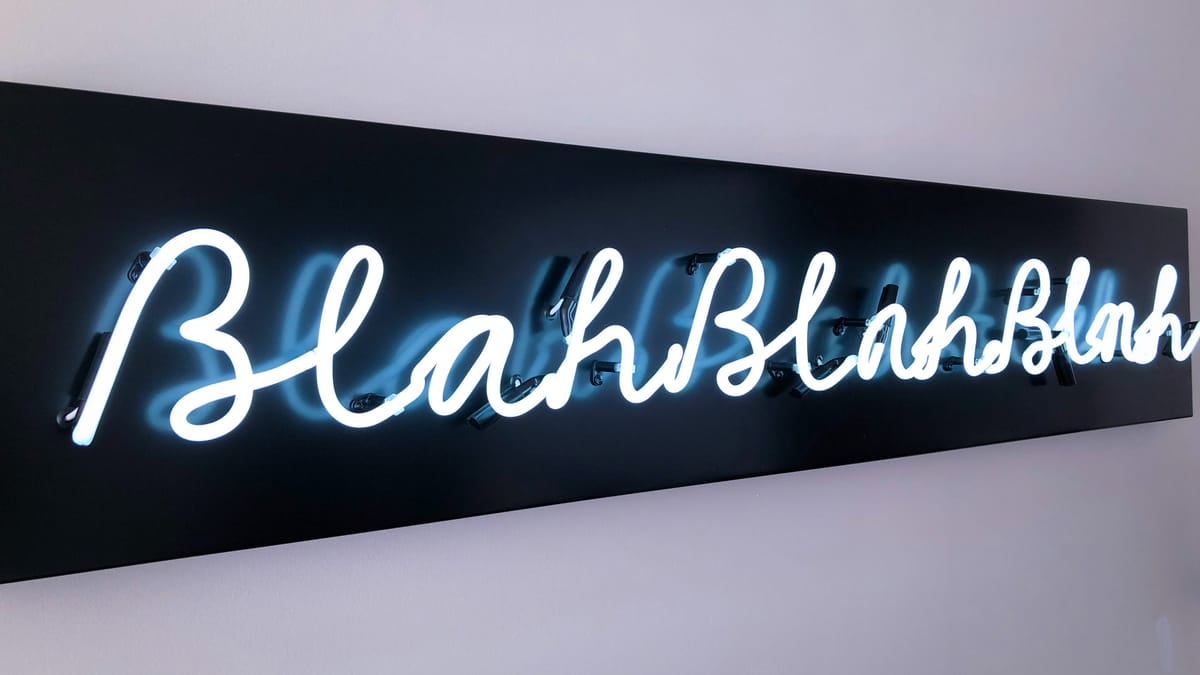
A few years ago I sat in a “strategic alignment” meeting where the VP of Growth announced that “major transformation is coming by Q4.” Everyone applauded and nodded. By the time Q4 arrived, we had seen no metrics, no budget breakdown, and no roadmap. Just more lofty phrases. Later, someone sighed to me, “Sounds like wizardry without a wand.” That comment captured exactly what happens when leaders rely on talk without evidence. It feels inspiring for a moment but quickly turns hollow.
Hitchens’s Razor is a simple but powerful idea: what can be asserted without evidence can also be dismissed without evidence. In professional life, if leaders make promises without backing them up, people are not inspired. They are skeptical.
Why this matters
There is solid research behind why empty claims wear people down. When leaders are not transparent or provide shaky assertions, employees experience what is known as change fatigue. This is a state of emotional exhaustion that reduces commitment and increases the likelihood of turnover. Change fatigue is closely tied to burnout and reduced trust in organizations.
In plain terms, empty promises do not energize people. They drain them.
Accountability in action
Hitchens’s Razor is not about being cynical. It is about raising the bar. Here are a few ways leaders can apply it:
- Show the data and provide context. Share the numbers, the trends, and the assumptions.
- Name what is not yet known. Admitting uncertainty is more credible than pretending to have all the answers.
- Follow up consistently. If a claim was made, return with updates on what is working, what is stalled, and why.
- Invite questions. Let employees and clients challenge ideas and reward the curiosity instead of shutting it down.
- Be specific and measurable. Replace vague terms like “breakthrough” with clear outcomes that can be tracked.
These habits transform leadership from performance into partnership. They communicate respect and foster genuine trust.
A practical takeaway
If you are an employee or client, asking for proof is not negativity. It is accountability. You are helping create a healthier conversation. If you are in leadership, remember that every unsupported claim chips away at trust. Every specific update, every honest admission, and every piece of evidence earns that trust back.
Big claims require big proof. Without it, all that remains is noise. And in professional life, noise does not move people forward. It wears them down.